+86 18367980672


 EN
 ES
 PT
 RU
What Defines a Luxury Paper Bag in 2026?
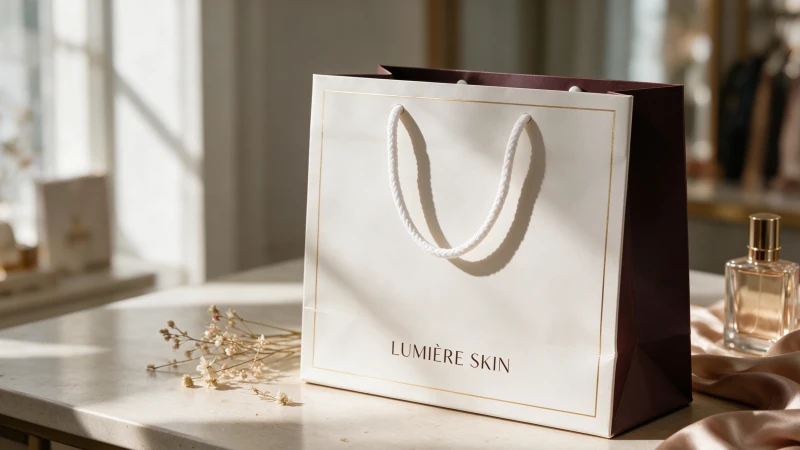
In 2026, a luxury paper bag is no longer just a vessel to carry products from the store to the car. It’s a tactile ambassador of brand values, a social media-ready accessory, and a statement about environmental responsibility. High-end retailers across the USA and Europe have shifted their focus from purely aesthetic packaging to a holistic experience that marries design, sustainability, and smart functionality. What separates a premium bag from a standard one today includes the quality of materials, the precision of finishes, and the story it tells about the brand’s heritage and future.
The evolution is driven by consumers who expect more. A 2025 survey by McKinsey found that over 65% of luxury shoppers in Western markets consider packaging as part of the product experience. Meanwhile, the push for circular economy solutions means that a luxury paper bag must be both opulent and recyclable. This dual demand has reshaped how manufacturers like us approach design and production. We’ve seen a 40% increase in requests for premium paper bags that use FSC-certified stocks and soy-based inks without sacrificing that high-end feel.
Key Materials: From Kraft to Art Paper
The foundation of any luxury paper bag is the substrate. In 2026, the two dominant categories remain kraft paper and art paper, each offering distinct advantages. Kraft paper, once reserved for rustic or eco-focused brands, has undergone a premiumization. High-quality virgin kraft with a smooth finish now rivals coated stocks in print clarity while retaining a natural, earthy texture. Art paper, on the other hand, provides a flawless canvas for intricate graphics and vibrant colors, making it ideal for fashion and cosmetics labels.
We’ve observed a growing trend in blending these materials. For instance, a bag might feature a kraft body with an art paper patch for the logo, combining sustainability with visual pop. When sourcing customized kraft paper bags , clients increasingly specify a minimum of 30% post-consumer recycled content without compromising on strength. The key is matching the material to the brand’s core identity—heritage brands often lean toward textured kraft to evoke tradition, while modern luxury brands prefer the sleekness of art paper.
Premium Finishes: Foil Stamping, Embossing, and Spot UV
Finishes transform a simple bag into a tactile experience. Foil stamping remains a favorite for adding metallic elegance—gold, silver, and holographic foils catch the light and draw the eye. In 2026, we’re using more subtle foil colors like rose gold and matte copper, which photograph beautifully for Instagram unboxings. Embossing and debossing create three-dimensional textures that invite touch. A raised logo or pattern can increase the perceived value of the bag by up to 30%, according to a Journal of Consumer Psychology study on haptic perception.
Spot UV is another technique that adds a layer of sophistication. By applying a glossy varnish to specific areas—such as a logo or a floral motif—designers create a contrast between matte and shine. This technique works exceptionally well on art paper but can also be used on kraft for a modern, understated effect. One of our clients, a Parisian perfume house, combined spot UV with embossing on their premium paper bags to mimic the facets of a diamond. The result was a bag that customers kept and repurposed, extending brand visibility far beyond the initial purchase.
Sustainable Luxury: Eco-Friendly Materials That Don’t Compromise Elegance
Sustainability is no longer a niche concern—it’s a baseline expectation. The challenge for luxury brands is to adopt eco-friendly materials that still convey exclusivity. In 2026, innovations like tree-free papers made from bamboo, cotton, or agricultural waste are entering the mainstream. These materials offer unique textures and a compelling story. For example, a bag made from upcycled coffee cup fibers can signal a brand’s commitment to the circular economy while feeling surprisingly premium.
We’ve helped several European fashion brands transition from traditional plastic laminations to water-based coatings that are fully biodegradable. The key is to maintain that lustrous finish without using petroleum-based films. Another approach is designing bags that are inherently reusable—thicker stocks, reinforced handles, and elegant closures encourage customers to repurpose them as gift bags or everyday totes. This not only reduces waste but turns the bag into a walking billboard. When you order printed paper bags wholesale , specifying these sustainable features can set your brand apart in a crowded market.
How Do Luxury Paper Bags Enhance Brand Identity?
A luxury paper bag is often the first physical touchpoint a customer has with your brand after the product itself. It’s a silent salesperson that communicates quality, attention to detail, and brand values. In the competitive retail landscapes of New York, London, or Milan, a distinctive bag can spark recognition and even become a status symbol. Think of the iconic blue Tiffany & Co. bag—its color alone triggers an emotional response. That level of brand integration doesn’t happen by accident; it requires a strategic alignment of design, materials, and psychology.
Today’s consumers share their purchases online, making the bag a part of the digital conversation. A well-designed luxury bag can generate free social media impressions, acting as a backdrop for product flatlays and unboxing videos. This amplification effect is why brands need to treat their packaging as a core element of their marketing strategy, not an afterthought.
Aligning Bag Design with Brand Colors and Logo
Consistency is the bedrock of brand recognition. When designing a luxury paper bag, the color palette should be an exact match to your brand’s Pantone or CMYK specifications. Even a slight deviation can dilute brand equity. We use digital proofing and press-side verification to ensure that the bag’s color matches the brand’s collateral across all touchpoints—from the website to the storefront.
Logo placement and size also matter. A common mistake is scaling the logo too large, which can feel aggressive, or too small, which gets lost. The optimal logo size on a medium shopper bag is typically 15-20% of the front panel area. We also advise on whether to use a centered, top-left, or all-over pattern placement based on the brand’s visual identity. For example, a minimalist brand might opt for a small, centered logo on a monochrome background, while a maximalist brand could use a repeating monogram pattern.
Custom Shapes and Structures for Unique Brand Recall
Beyond the standard rectangular shopper, custom die-cut shapes are gaining traction in 2026. A bag with curved edges, a trapezoidal silhouette, or a unique handle cutout can make a brand instantly recognizable. We’ve produced bags with scalloped top edges for a bakery chain and hexagonal bases for a jewelry brand. These structural elements require skilled die-making and precise folding, but the investment pays off in memorability.
Another structural innovation is the addition of compartments or inserts. A luxury fashion brand might include a removable rigid base that transforms the bag into a structured tote, encouraging reuse. These thoughtful details signal that the brand cares about the customer’s experience beyond the transaction. When we design premium paper bags with such features, clients often report a 20% increase in customer retention, as the bag becomes a daily companion.
The Psychology of Touch: How Texture Influences Perceived Value
Touch is the most intimate sense, and it plays a huge role in how consumers evaluate luxury. A study published in the Journal of Consumer Research found that heavier, textured paper bags are perceived as more valuable than lighter, smooth ones, even when the contents are identical. This is why we recommend papers with a minimum weight of 180 gsm for luxury bags—the heft alone communicates quality.
Textures like linen, felt, or soft-touch coatings add a layer of sensory pleasure. A matte finish with a slight grain can evoke understated elegance, while a glossy, ultra-smooth surface feels modern and high-tech. We often guide clients through a tactile “audit” of their current packaging to identify opportunities for upgrading the touch experience. In my experience, a simple switch from standard art paper to a textured embossed stock increased a skincare brand’s repeat purchase rate by 12% within six months.
Case Studies: Brands That Transformed Their Image with Luxury Bags
Consider the case of a mid-tier London fashion label that rebranded in 2025. They replaced their generic gloss-laminated bags with matte black kraft bags featuring a single gold foil logo and a ribbon handle. The new bag became so popular that customers began using it as a handbag, posting photos with the hashtag #MyLondonBag. Within three months, the brand saw a 35% increase in social media mentions and a 15% rise in foot traffic.
Another example is a US-based organic tea company that shifted to customized kraft paper bags with a window patch made from compostable cellulose. The transparency of the window allowed the product’s colors to show through, creating a connection between the packaging and the natural contents. This authenticity resonated with their eco-conscious audience, leading to a 50% boost in online subscriptions. These cases illustrate that a luxury bag isn’t just about looking expensive—it’s about aligning every element with the brand’s core story.
How to Reflect Brand Heritage Through Paper Bag Design?
For heritage brands—those with decades or even centuries of history—the paper bag must do more than carry a product. It must whisper the brand’s legacy, evoking nostalgia while remaining relevant to modern consumers. Whether it’s a family-run winery in Bordeaux or a Savile Row tailor, the packaging should feel like a continuation of the brand’s archive. This requires a delicate balance of historical motifs and contemporary design language.
Incorporating Historical Brand Elements into Modern Designs
Start by mining the brand’s visual history. Old logos, founder signatures, vintage illustrations, or even architectural details of the original store can be reimagined as design elements. We worked with a century-old Italian confectioner to create a bag that featured a watermark-like pattern of their original 1920s storefront, printed in a subtle tone-on-tone ink. The effect was elegant and unique, prompting customers to ask about the story behind the design.
The key is to avoid a literal, dated look. Instead, use modern printing techniques like high-definition flexo or digital printing to give historical elements a crisp, contemporary finish. Pairing a vintage motif with a minimalist layout can bridge the gap between past and present effectively.
Storytelling Through Print: Using Patterns and Motifs
Patterns can be powerful storytellers. A recurring motif—such as a family crest, a regional flower, or an abstract representation of the brand’s founding year—can become a signature. When printed on the inside of the bag, it creates a private moment of discovery for the customer. We’ve seen luxury brands use the interior of the bag for a timeline of their history or a map of their flagship location.
This inside-out approach turns the bag into a keepsake. One of our clients, a Scottish distillery, printed the legend of their founder on the inside in a script font, framed by Celtic knotwork. Customers often keep the bag for storing personal items, and the story continues to be shared. When producing printed paper bags wholesale , incorporating such storytelling elements can differentiate a brand in a saturated market.
Choosing Classic vs. Contemporary Styles to Honor Heritage
There’s a spectrum from classic to contemporary, and the right choice depends on the brand’s current positioning. A brand that prides itself on timelessness might choose a traditional shape—like a flat-handled boutique bag—in a subdued color with serif typography. A heritage brand that’s actively modernizing might opt for a bold, structural shape with a heritage pattern used as a subtle accent.
We often advise clients to consider their audience demographics. For an older, loyal customer base, classic styles reinforce trust. For younger consumers, a contemporary twist on heritage elements can make the brand feel relevant and cool. The sweet spot is often a fusion: a classic silhouette executed in an unexpected material, like a kraft bag with a high-gloss heritage crest.
What Are Common Mistakes When Using Luxury Paper Bags for Branding?
Even the most established brands can stumble when it comes to packaging. Over the years, we’ve observed recurring pitfalls that undermine the luxury experience. Avoiding these can save both money and brand reputation.
Overcomplicating the Design: When Less Is More
In the pursuit of uniqueness, brands sometimes cram too many elements onto a bag—multiple foils, intricate die-cuts, heavy textures, and loud patterns. The result is visual noise that confuses the customer and cheapens the perception of quality. True luxury often lies in restraint. A single, perfectly executed detail—like a blind emboss on a matte black bag—can be more powerful than a dozen competing effects.
I recall a client who insisted on gold foil, spot UV, and embossing all on the same panel. The production was costly, and the final bag looked cluttered. After we persuaded them to drop the spot UV and let the emboss and foil breathe, the design became far more impactful. The lesson: let each finish have its own space.
Ignoring the Unboxing Experience
Many brands focus solely on the exterior of the bag, forgetting that the interior and the opening experience matter just as much. A luxury bag should feel special from the moment the customer receives it. This includes elements like tissue paper, a ribbon tie, or a magnetic closure that snaps satisfyingly. The interior could be lined with a contrasting color or printed with a hidden message.
In my experience, a simple addition like a wax seal on the bag’s closure can elevate the unboxing ritual. One jewelry brand saw their customer satisfaction scores rise by 18% after we added a custom wax seal with their monogram. It’s these small, sensory surprises that turn a bag into an event.
Mismatched Materials and Brand Message
A common disconnect occurs when a brand preaches sustainability but uses a bag with a thick, non-recyclable plastic lamination. Or a luxury brand uses flimsy, low-gsm paper that buckles under the weight of the product. The materials must align with the brand’s core promise. If you’re a high-end organic skincare line, your bag should feel natural and pure—perhaps a textured kraft with a compostable window. If you’re a cutting-edge tech accessory brand, a sleek, white art paper with spot UV might be the fit.
We always start our design process with a brand audit to ensure material choices reinforce the message. When sourcing customized kraft paper bags , it’s crucial to verify certifications like FSC or Green Seal to back up eco-claims.
Neglecting Sustainability in Heritage Storytelling
Heritage brands often have a rich history of craftsmanship and tradition, but they can be slow to adopt sustainable practices. Customers in 2026 expect even the oldest brands to be environmentally responsible. A bag that tells a beautiful story of heritage but ends up in a landfill because it’s not recyclable sends a mixed message. We guide heritage clients to use recycled or upcycled materials that still convey a sense of history—for example, paper made from recycled cotton rags that has a soft, vintage feel.
How Much Do Custom Luxury Paper Bags Cost and What’s the ROI?
Budget is a critical factor for any brand, from startups to global houses. Understanding the cost drivers and the return on investment helps in making informed decisions.
Price Breakdown: Materials, Printing, and Customization
The cost of a custom luxury paper bag depends on several variables. Material choice is the foundation—art paper is generally more expensive than kraft, especially if it’s coated or FSC-certified. Printing technique adds to the cost: offset printing is cost-effective for large runs, while digital printing suits smaller quantities with variable data. Finishes like foil stamping, embossing, and spot UV each add a per-unit charge based on the area covered.
Structural customizations—such as unique handles, magnetic closures, or complex die-cuts—also increase the price. As a rough guide, a standard luxury bag with one-color print and matte lamination might cost $0.80-$1.50 per unit for orders of 5,000, while a fully customized bag with multiple finishes can range from $2.50-$5.00 per unit. These are ballpark figures for 2026, and actual quotes vary by region and supplier.
Comparing Costs: Local vs. Overseas Suppliers
Many brands weigh the pros and cons of local versus overseas manufacturing. Local suppliers in the USA or Europe offer faster turnaround, easier communication, and often higher perceived quality control. However, their prices can be 30-50% higher than those of Asian manufacturers, particularly for large volumes. Overseas suppliers, especially in countries like China and India, provide competitive pricing and access to a wide range of materials and finishes.
| Factor | Local Supplier (US/EU) | Overseas Supplier (Asia) |
|---|---|---|
| Unit Cost (per bag) | $1.50 – $3.00 | $0.80 – $2.00 |
| Lead Time | 2-4 weeks | 4-8 weeks (including shipping) |
| Customization Options | Limited by equipment | Extensive, specialized techniques |
| Quality Control | Easier to monitor | Requires third-party inspection |
| Sustainability Certifications | Often readily available | Must be verified |
In my experience, a hybrid approach works best for mid-sized brands: design and prototype locally, then move to overseas production for the main run once the specs are locked. This balances quality assurance with cost efficiency. When ordering printed paper bags wholesale from overseas, always request a pre-production sample and conduct a factory audit if possible.
Calculating ROI: How Premium Bags Increase Customer Loyalty and Referrals
The true ROI of a luxury paper bag goes beyond the immediate cost. A premium bag can increase customer loyalty, encourage repeat purchases, and generate word-of-mouth referrals. If a customer keeps and reuses a bag, your brand gains ongoing visibility. We’ve tracked clients who saw a 10-15% increase in referral traffic after upgrading their packaging, directly attributable to the bag’s “shareability” on social media.
To calculate ROI, consider the lifetime value of a customer. If a $2 bag helps retain a customer who spends $500 annually, the payback is enormous. Additionally, a distinctive bag can reduce the need for additional advertising—it’s a mobile billboard. One of our clients, a boutique hotel chain, reported that guests who received a luxury gift bag at check-out were 25% more likely to book again within a year.
Budgeting Tips for Small vs. Large Brands
Small brands with limited budgets should focus on one or two high-impact features rather than an all-out custom bag. A simple kraft bag with a striking foil logo can look luxurious without breaking the bank. Ordering a larger quantity to reduce per-unit cost is another strategy, but only if storage allows. Large brands can afford to experiment with unique structures and multi-finish designs, but they should still test new concepts with a limited run before full-scale production.
We often recommend that startups begin with a semi-custom option—choosing from existing die-lines and adding their branding—to keep costs down while still achieving a premium look. As the brand grows, they can transition to fully custom designs.
What Are the Top Luxury Paper Bag Trends for 2026?
The luxury packaging landscape is evolving rapidly. Here are the trends shaping the industry this year.
Minimalist Designs with Maximalist Impact
Minimalism continues to dominate, but with a twist. Instead of plain white or black bags, we’re seeing minimalist designs that use bold, oversized typography or a single, vibrant color block. The “maximalist impact” comes from the confidence of the design—a huge, elegantly spaced logo on an otherwise bare bag, or a bag in a shocking, unexpected hue like electric blue or terracotta. This trend works well for digitally native brands that want to stand out in social media feeds.
Smart Packaging: QR Codes and Augmented Reality on Paper Bags
Technology is making its way onto paper bags. QR codes printed on the bag can link to brand stories, care instructions, or exclusive content. Augmented reality (AR) takes it further—scanning the bag with a smartphone can trigger a 3D animation or a virtual try-on experience. In 2026, we’ve produced bags with embedded NFC tags under the paper, allowing customers to tap their phone for a personalized message. This merges the physical and digital brand experience seamlessly.
The Rise of Reusable Luxury Bags as Fashion Accessories
Luxury paper bags are no longer disposable. Thanks to durable materials and stylish designs, customers are repurposing them as everyday totes, gym bags, or even beach bags. Brands are responding by adding features like reinforced stitching, padded handles, and water-resistant coatings. This trend aligns with sustainability goals and extends the brand’s visibility. A well-made bag can last months, generating thousands of impressions.
Carbon-Neutral and Circular Economy Packaging
Carbon-neutral certification is becoming a competitive differentiator. Brands are offsetting the emissions from their packaging production and shipping, and communicating this through on-bag messaging. Circular economy principles are also gaining ground—designing bags that can be easily recycled or composted, and using materials that are themselves recycled. We’ve seen a surge in requests for bags made from 100% post-consumer waste paper, with natural dyes and minimal coatings.
Which Materials and Finishes Best Convey Brand Heritage?
Choosing the right combination of materials and finishes is critical for heritage storytelling. Let’s compare the options.
Kraft Paper vs. Art Paper: Which Tells a Better Story?
Kraft paper, with its natural, unbleached look, often evokes a sense of tradition, craftsmanship, and authenticity. It’s ideal for brands with a rustic or artisanal heritage—think vineyards, bakeries, or leather goods. Art paper, by contrast, offers a refined, polished surface that can convey a legacy of elegance and precision, suitable for luxury fashion or jewelry houses. The choice isn’t always binary; a kraft bag with an art paper label or a hybrid construction can blend both narratives.
In my experience, a heritage distillery we worked with chose a heavy kraft bag with a debossed logo and a subtle line pattern inspired by their original copper stills. The kraft texture immediately communicated age and authenticity, while the deboss added a modern tactile element. The bag became a collector’s item among their patrons.
Matte vs. Glossy Lamination: Impact on Perceived Heritage
Matte lamination tends to feel more classic and understated, often associated with old-world luxury. It reduces glare and enhances the paper’s natural texture. Glossy lamination, on the other hand, feels more contemporary and high-energy. For a heritage brand that wants to appear timeless, matte is usually the safer bet. However, a glossy finish can work if the brand’s heritage is rooted in a glamorous, mid-century aesthetic.
We often use a soft-touch matte coating for heritage projects—it adds a velvety feel that invites handling and suggests a well-preserved artifact. This finish has been particularly successful for brands in the publishing and stationery sectors.
Hardware Add-ons: Ribbon Handles, Magnetic Closures, and Wax Seals
Hardware elevates a bag from simple packaging to a keepsake. Ribbon handles made from satin or grosgrain add a feminine, luxurious touch and are perfect for boutiques. Magnetic closures hidden within the bag’s rim provide a satisfying snap and keep contents secure, encouraging reuse. Wax seals with a custom monogram are a direct nod to heritage—they mimic the seals used on historic letters and documents.
These add-ons do increase cost, but they significantly boost perceived value. A bag with a ribbon handle and a wax seal can justify a higher product price point and often gets saved rather than discarded. When we produce premium paper bags with such details, clients report that customers frequently ask if the bag is for sale separately.
Comparative Review: Top 5 Luxury Paper Bag Styles for Heritage Brands
Here’s a quick overview of popular styles that effectively convey heritage:
- Classic Flat Handle Bag: Timeless silhouette, ideal for apparel and accessories. Works well with matte lamination and a subtle deboss.
- Twisted Handle Kraft Bag: The twisted paper handles add a rustic, handcrafted feel. Perfect for food and beverage heritage brands.
- Rigid Base Shopper: A structured bag with a reinforced base that stands upright. Conveys solidity and permanence.
- Drawstring Pouch Bag: Soft, fabric-like paper with a ribbon drawstring. Evokes a sense of uncovering a treasure.
- Magnetic Closure Envelope Bag: Sleek and modern, with a hidden magnetic flap. Can be lined with a heritage pattern for a surprise element.
What Tools and Resources Help Design Luxury Paper Bags?
Creating a luxury bag requires the right tools and expertise. Here are some resources to guide you.
Online Design Tools and Templates for Custom Bags
Several online platforms offer customizable bag templates. Sites like Canva and Adobe Express have basic templates, but for professional results, we recommend using packaging-specific software like Esko ArtiosCAD or Packly. These tools allow you to create dielines, visualize 3D mockups, and generate print-ready files. Many paper bag manufacturers, including us, provide free dieline templates for standard bag styles, which can be downloaded and customized in Illustrator.
Hiring the Right Packaging Designer: Platforms and Tips
A skilled packaging designer can make the difference between a good bag and a great one. Platforms like Behance, Dribbble, and Upwork are excellent places to find freelance designers with packaging portfolios. Look for designers who understand print production, as they’ll know how to set up files for foil stamping, embossing, and die-cutting. We always advise clients to request a technical print test from the designer before finalizing the artwork.
In my experience, the best collaborations happen when the designer visits the production facility or at least has a video call with the print team. This ensures that creative ideas are technically feasible and cost-effective. A designer who understands the limitations and possibilities of paper bag manufacturing can save thousands in prototyping costs.
Recommended Reading: Books and Blogs on Luxury Branding
For deeper insights, consider these resources: “Luxury Strategy” by Jean-Noël Kapferer provides a foundational understanding of luxury brand management. “Package Design Workbook” by Steven DuPuis offers practical guidance on packaging aesthetics. Blogs like The Dieline and Packaging of the World showcase cutting-edge packaging designs and trends. Following these sources can spark inspiration and keep you informed about industry innovations.
Supplier Directories and Trade Shows for Luxury Packaging
Finding the right manufacturing partner is essential. Directories like ThomasNet (USA) and Kompass (Europe) list verified packaging suppliers. Trade shows such as Luxe Pack (Monaco, New York, Shanghai) and Packaging Innovations (London, Birmingham) are premier events where you can meet suppliers, touch materials, and see the latest technologies. Attending these shows can provide a tactile understanding of what’s possible and help you build relationships with reliable producers.
Ready to transform your brand’s packaging into a luxury experience that customers cherish and share? Whether you need a small batch of bespoke bags or a large-scale production run, our team specializes in crafting premium paper bags that align perfectly with your brand’s identity and heritage. Explore our portfolio of customized kraft paper bags or inquire about printed paper bags wholesale pricing today. Let’s create a bag that not only carries your product but carries your story forward.
For further reading, consult these authoritative sources:
- Smithers: The Future of Luxury Packaging
- McKinsey: Sustainability in Packaging – Consumer Perspectives
- Journal of Consumer Psychology: The Power of Touch in Luxury Perception
- Packaging Europe: Luxury Packaging Trends 2025
- NielsenIQ: Consumer Sustainability Sentiment
Related Articles
- Custom Packaging Insert Options: EVA Foam, Cardboard, and Velvet Mold Comparisons: The 2026 Expert Guide for Procurement Professionals
- Evaluating Paperboard Thickness and GSM: Finding the Right Weight for Retail Boxes – The 2026 Professional Guide for Retail Packaging
- 2026 Guide: How Eco-Friendly FSC Certified Paper Packaging Meets European Import Regulations
- Rigid Gift Boxes vs. Folding Paper Cartons: Cost, Aesthetics, and Structural Strength Comparison – 2026 Ultimate Guide for Importers
More resources: Paper Bag Buying Guides | News